
Research is at the heart of Cincinnati Children’s Department of Radiology, driving discoveries that improve the way children are diagnosed, treated and cared for every day. More than an academic endeavor, research serves as a catalyst for innovation, helping clinicians and scientists develop advanced imaging technologies, refine diagnostic approaches and create better outcomes for children and young adults.
Every research initiative begins with a simple goal: improving patient care. By investigating new ways to detect disease, monitor treatment effectiveness and support clinical decision-making, radiology researchers help ensure that children receive care informed by the latest scientific evidence. These efforts not only enhance the quality of care delivered today but also lay the foundation for the breakthroughs of tomorrow.
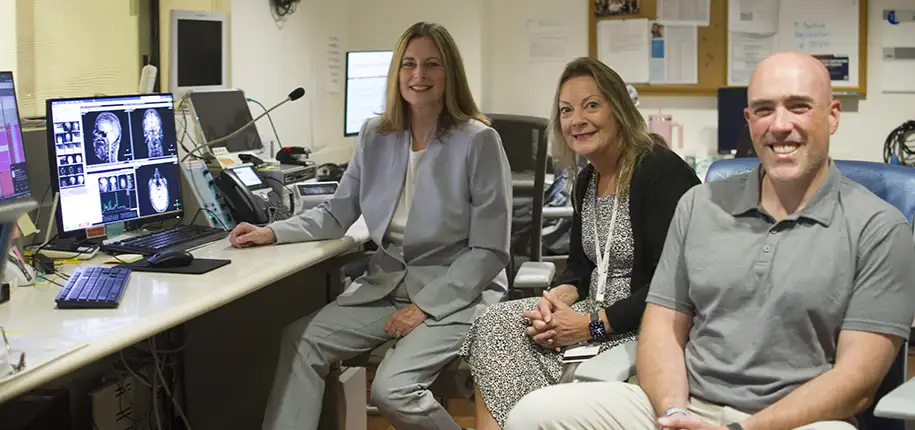
As medical imaging continues to evolve, research plays a vital role in improving diagnostic accuracy. Advanced imaging techniques and emerging technologies enable clinicians to see more clearly and identify diseases with greater precision. Through ongoing research, these tools are continually refined, providing healthcare teams with the information they need to make confident and timely decisions for their patients.
Research is also helping to make healthcare more personalized. Because every child’s condition and healthcare journey is unique, radiology researchers are developing imaging biomarkers and innovative diagnostic methods that support individualized treatment plans. This personalized approach allows clinicians to tailor care to each patient’s specific needs, helping improve both outcomes and experiences.
Innovation remains a cornerstone of the department’s research efforts. By exploring new imaging technologies, advanced analytics and novel diagnostic approaches, researchers are transforming ideas into practical solutions that benefit patients and families. Many of these innovations move beyond the research environment and into clinical practice, where they can directly impact patient care.
Safety is another important focus. Researchers continually work to optimize imaging procedures, reduce radiation exposure and develop non-invasive alternatives that maintain diagnostic accuracy while minimizing risk. These efforts help ensure that children receive the safest and most effective imaging care possible.
Beyond clinical outcomes, research contributes to a better experience for patients and families. Innovations in imaging workflows, technology and care delivery can reduce anxiety, increase comfort and make healthcare more accessible and efficient. These improvements help create a more positive environment for children and caregivers during what can often be stressful healthcare encounters.
Research also supports value-based care by helping healthcare teams improve efficiency and reduce unnecessary procedures. By enhancing diagnostic accuracy and enabling earlier interventions, research-driven advancements can lead to better outcomes while reducing healthcare costs for families and organizations alike.
The Department of Radiology’s vision is to transform pediatric imaging and clinical care through research. This vision reflects a commitment to advancing medical knowledge and developing innovative solutions that lead to earlier diagnoses, more effective treatments and improved outcomes for children around the world.
Guiding this work is a mission focused on positively impacting the care of children and young adults while advancing research into pediatric diseases. Every study, collaboration and strategic investment supports this mission and reinforces the department’s dedication to improving health through discovery and innovation.
To achieve these goals, the department remains committed to conducting state-of-the-art basic, clinical and translational imaging research. By bridging scientific discovery and clinical application, researchers help ensure that new ideas and technologies have a meaningful impact on patient care.
The department also prioritizes the development of advanced imaging technologies, image analysis tools and innovative post-processing methods. These efforts support research initiatives throughout Cincinnati Children’s and the University of Cincinnati College of Medicine, fostering collaboration across disciplines and expanding opportunities for discovery.
A key focus is translating innovation into clinical practice. Researchers work to validate and implement novel imaging-based diagnostic and therapeutic techniques so that promising discoveries can move from the laboratory to the bedside, where they can make a direct difference in patients’ lives.
Education and advocacy are equally important components of the department’s research strategy. By educating researchers, clinicians, trainees and healthcare professionals about the value of imaging in biomedical research and medical science, the department helps foster a culture of innovation, collaboration and continuous learning.
Ultimately, research in the Department of Radiology is driven by a powerful purpose: improving the lives of children. Through scientific discovery, technological advancement, multidisciplinary collaboration and an unwavering commitment to excellence, Cincinnati Children’s continues to push the boundaries of pediatric imaging and clinical care. By transforming the way diseases are diagnosed, understood and treated, radiology research is making a lasting impact on patients, families and the future of children’s health.
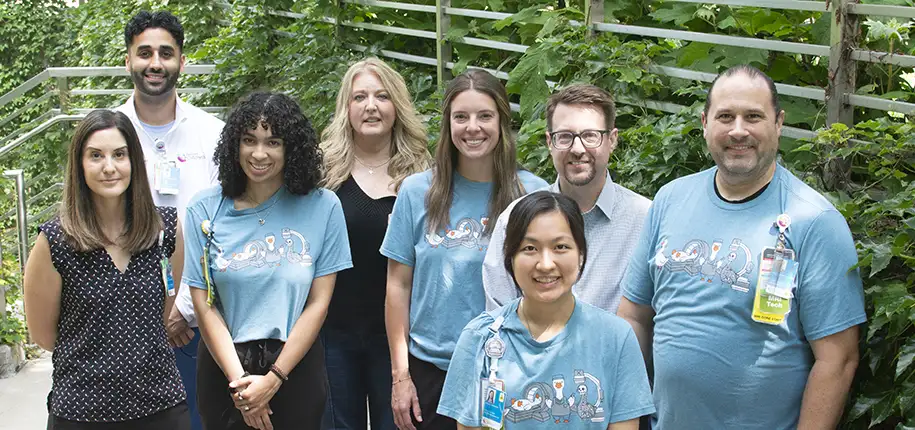
Featured photo: (Research team) Shireen Hayatghaibi, PhD, Dr. J. Dillman, (Clinical Research Coordinators) Kristi Cole and Ashan Kharai, and IRC Technologists

Glenn Miñano is a media specialist in the Department of Radiology, providing graphic design, photography, printing, video services, and administration of the department’s online properties. His works have been published in several medical articles, such as the American Journal of Radiology and the American Institute of Ultrasound. He has been providing these services to the Radiology Department since 1996.

Editor: Meredith Towbin