
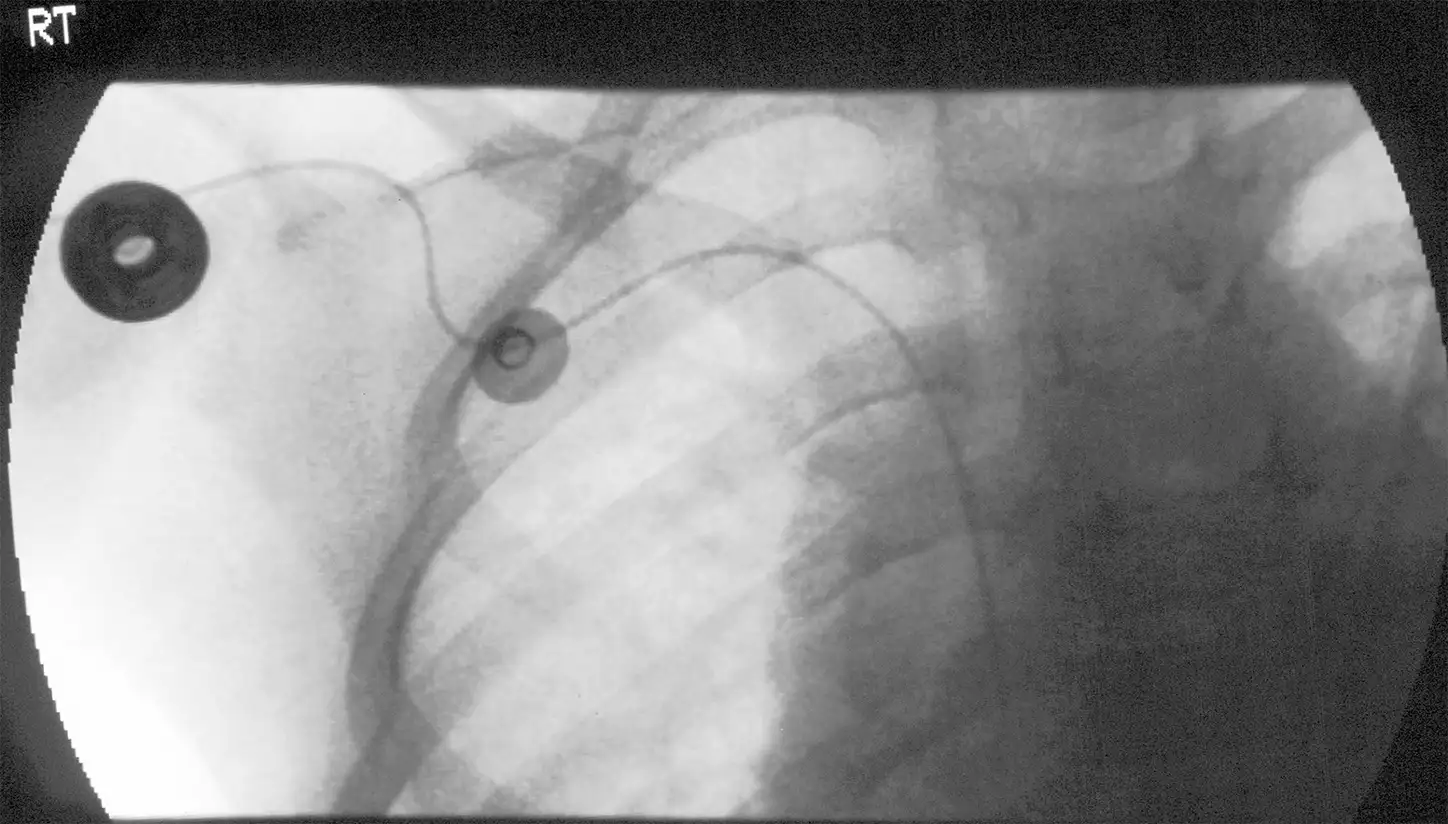
If your child has an implanted central line or PICC line, you may wonder whether it can be used to give contrast during radiology exams at Cincinnati Children’s Hospital. In many cases, contrast can be safely administered through certain types of central lines, helping reduce the need for additional IV placement and making imaging visits more comfortable for children and families.
What Is a Central Line or PICC Line?
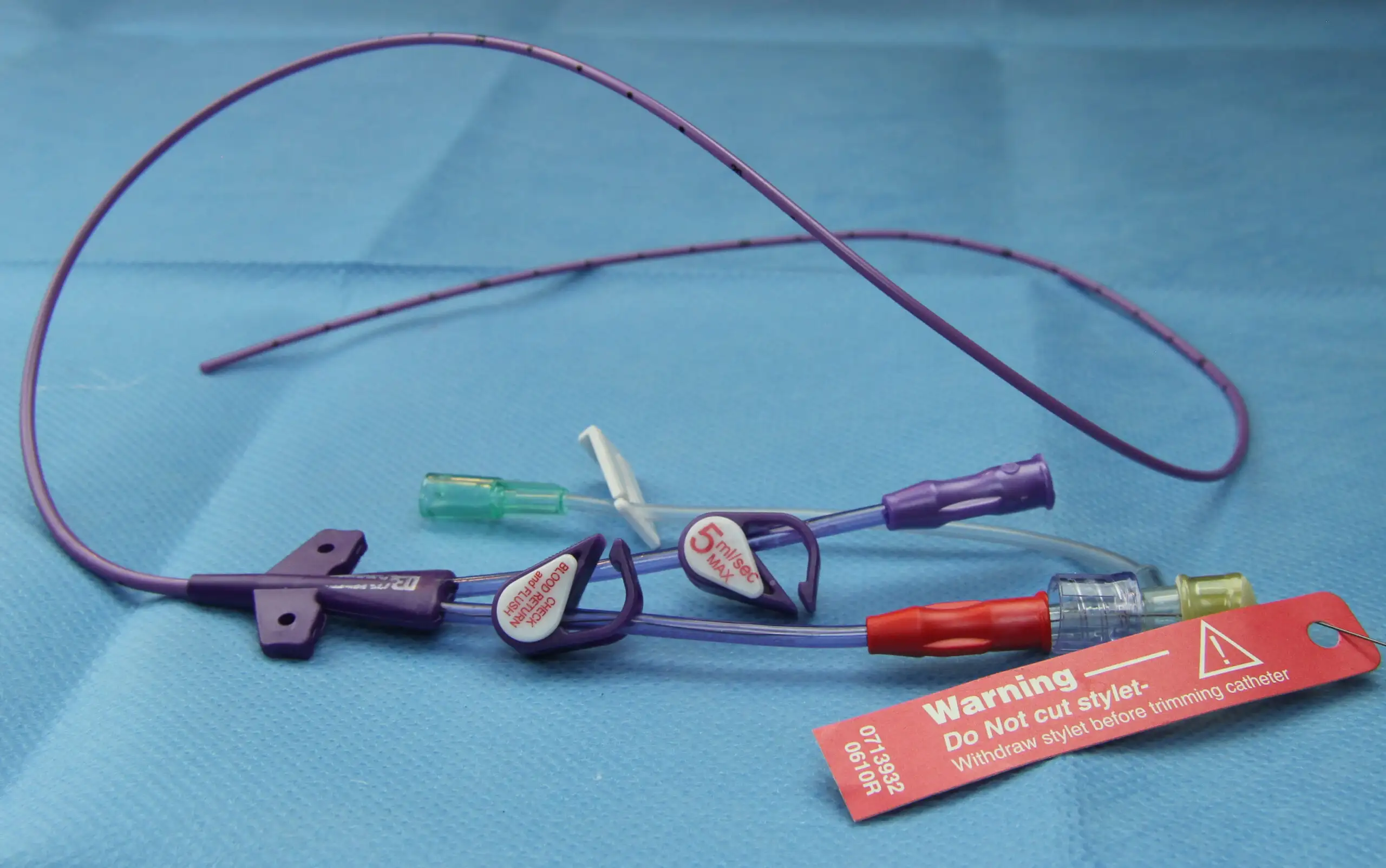
Some patients have a central line or PICC line placed when they must receive treatments over multiple appointments.
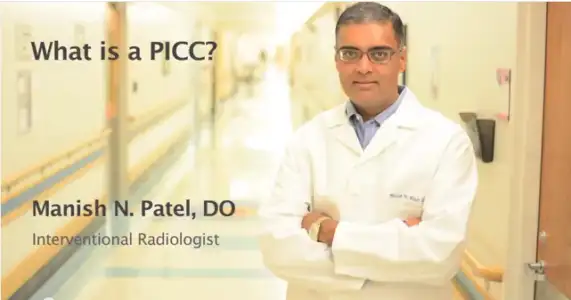
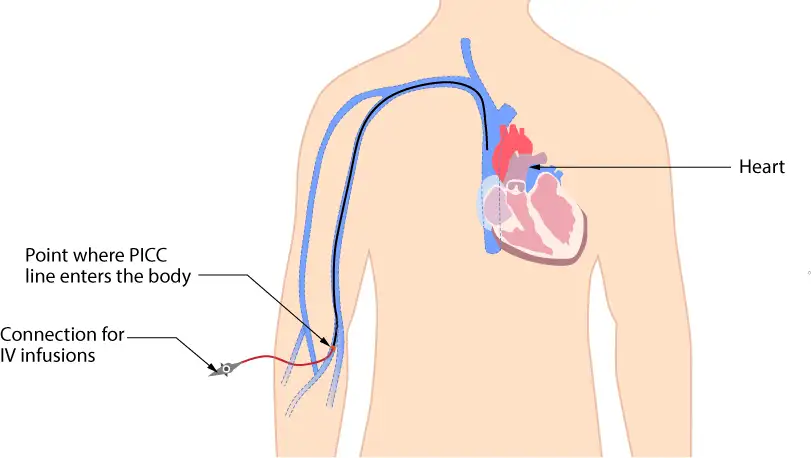
A Central Line is a small catheter that is usually placed in the upper chest or neck and goes into a large vein near the heart. A PICC line is similar, but it is placed in the upper arm.
What Is Contrast and Why Do We Use It?
We use IV contrast for some exams so that radiologists can see blood vessels and certain tissues better. Sometimes the contrast is given using a power injector, which is a special machine that allows the contrast to be given at a controlled speed while the study is in progress.
Can Central Lines Be Used for Contrast?
If a central line is listed as “power-injectable,” it may be used for contrast injections after meeting certain safety requirements.
Before any exam, our team carefully checks:
Sometimes a quick chest X-ray is required to check the placement of the line.
If we are unable to use the central line, we will place a regular IV. Most children don’t feel anything different when contrast is given through a central line compared to standard IV.
When it is safe to do so, using a central line for contrast is one way we can make radiology appointments more comfortable for your child. Please contact the radiology team at Cincinnati Children’s Hospital if you have any questions, so you can feel confident and prepared for your visit.

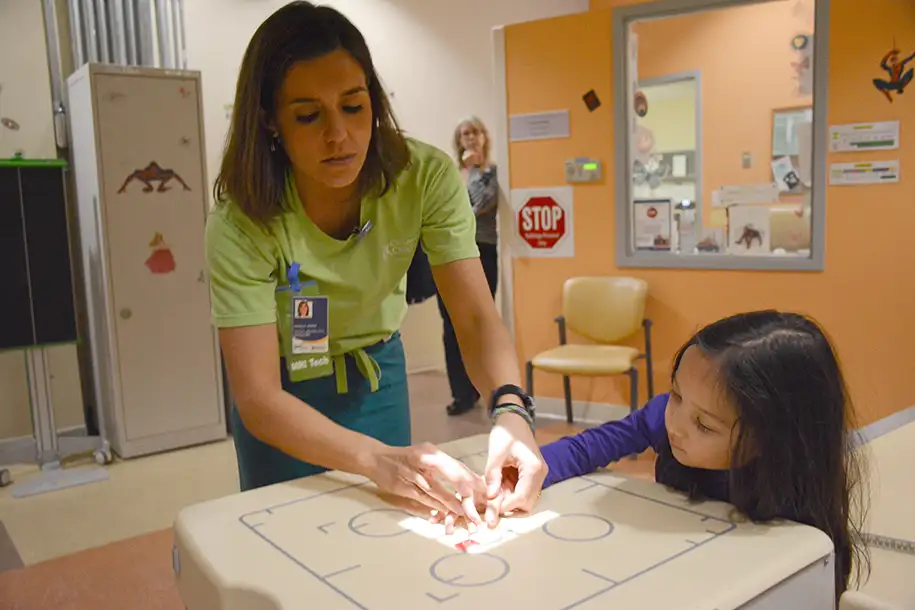
Becky has been an MRI Tech at Cincinnati Children’s Hospital for almost 15 years. She grew up on the west side of Cincinnati and studied Radiology at UC. She lived in Southern Maryland and Virginia Beach while her husband served in the US Navy and came back to the area just as the Liberty Campus was opening. She loves being in such a great team and working with kids. She enjoys spending time with her children and 2 beautiful granddaughters.

Glenn Miñano is a media specialist in the Department of Radiology, providing graphic design, photography, printing, video services, and administration of the department’s online properties. His works have been published in several medical articles, such as the American Journal of Radiology and the American Institute of Ultrasound. He has been providing these services to the Radiology Department since 1996.

Editor: Meredith Towbin